Start with one language and one project
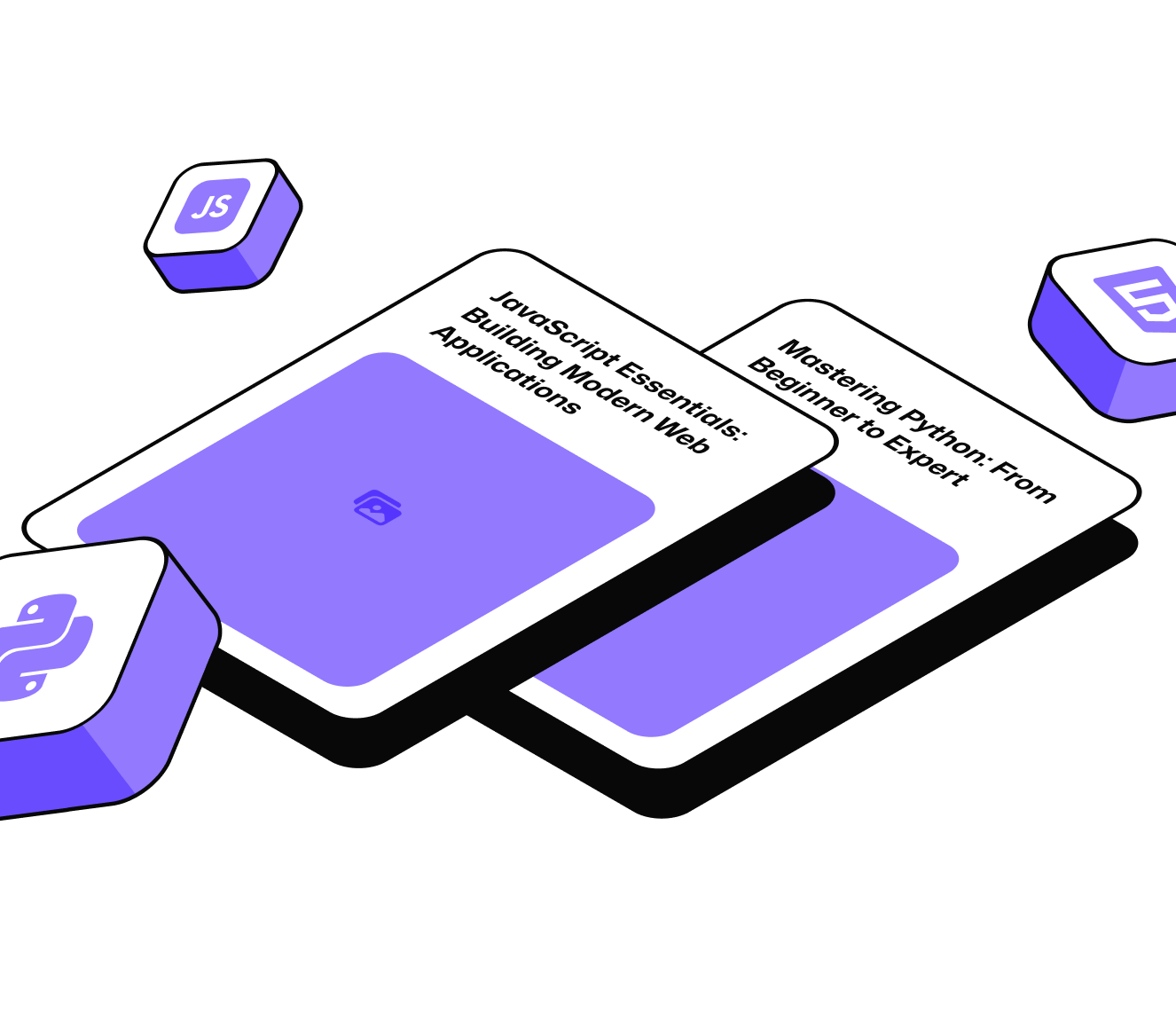
The fastest way to get unstuck is to pick a single language and build something you genuinely want to exist. Python and JavaScript are both excellent first choices — Python reads closer to English and has a gentler error surface; JavaScript runs in the browser so you see immediate visual feedback.
Don’t shop for languages. Pick one in five minutes and get to work.
What your first project should look like
- Tiny enough to finish this week, not perfect enough to show off.
- Produces something visible — a page, a chart, a generated file.
- Breaks in interesting ways so you learn to read error messages.
The messy middle and how to get through it
Somewhere between hour 10 and hour 100, most beginners hit a wall. The syntax has stopped being surprising but your own projects still feel impossible. This is normal — you’ve entered the stage where you know enough to recognize what you don’t know.
Three things that help:
- Read more code than you write. Open-source projects, even small ones, teach patterns no tutorial can.
- Explain out loud. Rubber-duck your own code. The places your explanation gets fuzzy are the parts you don’t actually understand yet.
- Ship ugly things. A finished, embarrassing project beats an unfinished, elegant one.
“You don’t rise to the level of your goals — you fall to the level of your systems. Build a system where you write code four days a week, however briefly.”
Skip the shiny, keep the basics
Most beginners over-invest in tooling: dotfiles, IDE themes, “best” frameworks. These pay off after you have a working mental model, not before. Stick to fundamentals — variables, control flow, functions, data structures — until they feel ordinary.